




Frequently Asked Questions (FAQ)
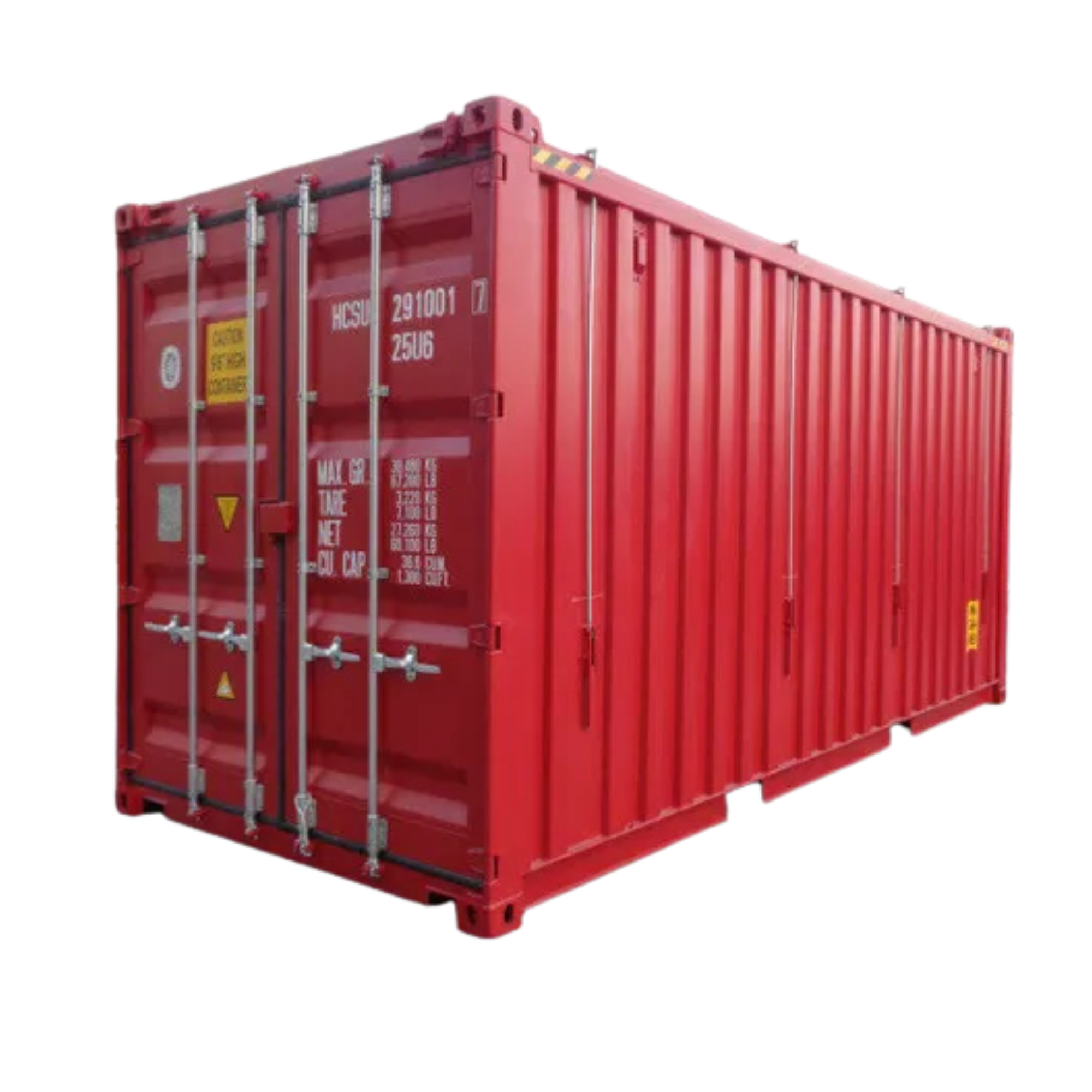
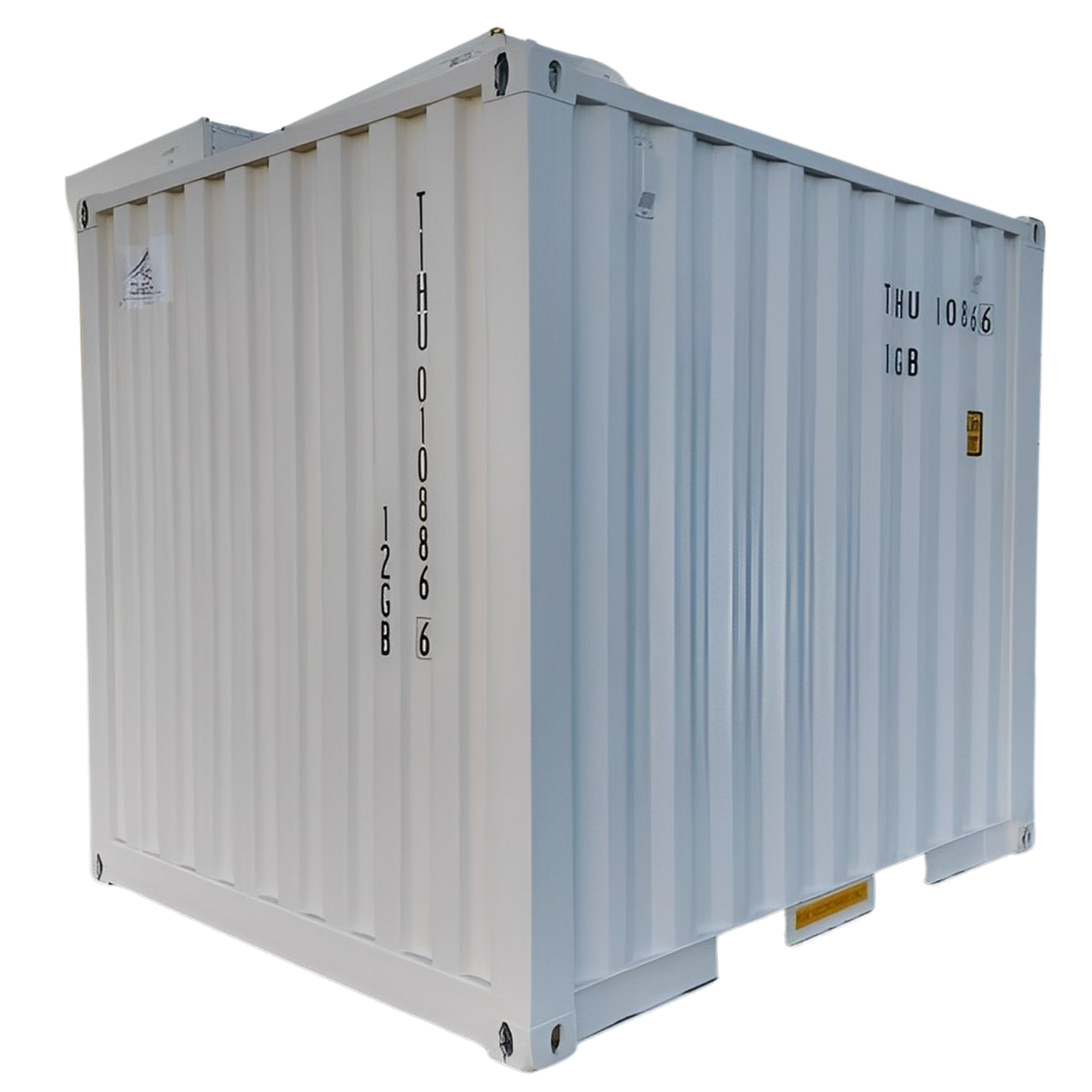
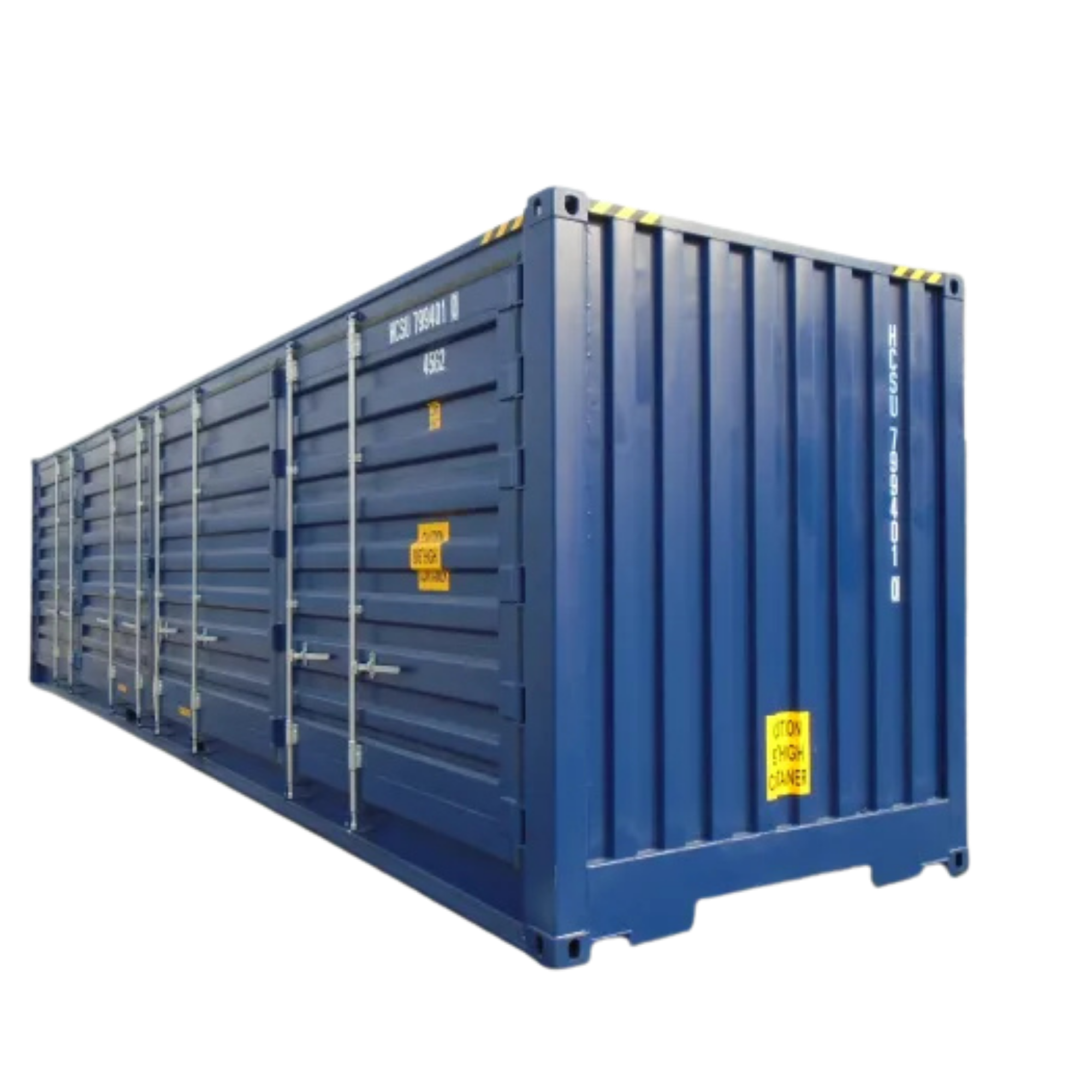
At L&P Container LLC, we understand that purchasing a shipping container, prefab unit, or modular structure often involves technical, logistical, and regulatory considerations.
The following questions address some of the most common topics raised by customers before and after purchase.
1. Do I need a permit to place a container on my property?
Permit requirements vary depending on:
- State and municipal regulations
- Property zoning classification
- Intended use of the container
In many jurisdictions, containers used for temporary storage may not require formal permitting. However, containers intended for:
- Permanent placement
- Residential occupancy
- Office or commercial use
- Prefabricated housing applications
may require:
- Zoning approval
- Building permits
- Utility and occupancy approvals
Customers are responsible for confirming local requirements prior to delivery. We recommend contacting your local building or zoning authority before scheduling placement.
2. How are containers delivered?
Delivery method depends on:
- Container size and type
- Site accessibility
- Ground conditions
- Placement requirements
Common delivery methods include:
Tilt-Bed Delivery
The container slides off the tilted truck bed directly onto the prepared surface. This is the most commonly used method for standard deliveries.
Flatbed Delivery
Used for long-distance or multi-unit shipments. Offloading generally requires:
- Crane assistance
- Heavy forklift equipment
- Dedicated unloading support
Specialized Placement
For restricted-access areas, elevated placement, or limited maneuvering space, crane or rigging coordination may be required.
Prior to dispatch, site access and placement conditions are reviewed to reduce delivery complications.
3. How long does delivery take?
Delivery scheduling depends on:
- Inventory availability
- Delivery location
- Site readiness
- Transport scheduling conditions
Orders are generally processed within 1–2 business days, with delivery coordinated within a standard operational timeframe afterward.
Certain products—including:
- Refrigerated containers
- Prefabricated units
- Modified container structures
may require additional preparation and handling time.
Estimated delivery windows are provided once scheduling has been confirmed.
4. What site conditions are required for delivery?
Before delivery, the site should be:
- Accessible for commercial transport vehicles
- Clear of overhead obstructions
- Wide enough for truck maneuvering
- Structurally stable and reasonably level
For larger containers (such as 40ft units), additional turning space is often required.
Soft or unstable ground conditions may require:
- Gravel reinforcement
- Concrete pads
- Steel support plates
Failure to prepare the site appropriately may result in delivery delays or rescheduling.
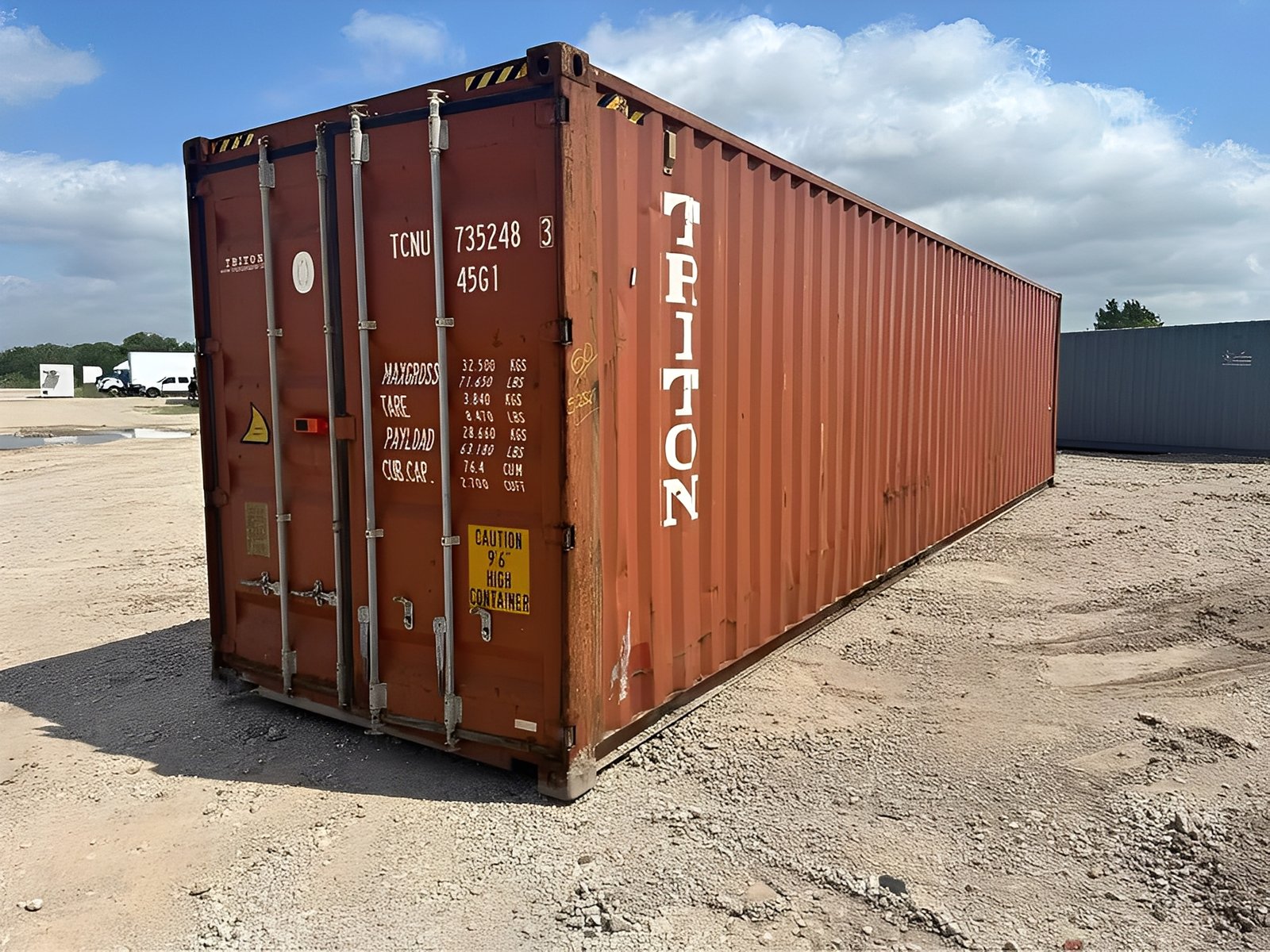
5. Are the containers new or used?
We supply both new (one-trip) and used containers.
New / One-Trip Containers
- Typically used once for cargo transportation
- Minimal prior wear
- Preferred for cleaner appearance and long-term projects
Used Containers
- Previously utilized in shipping operations
- Inspected based on condition classification standards
- Commonly supplied as:
- Wind & Watertight (WWT)
- Cargo Worthy (CW)
Used containers may exhibit:
- Surface rust
- Dents or markings
- Paint wear consistent with prior service
These characteristics are considered normal within the used container market.
6. What certifications do your containers carry?
Depending on container type and intended use, units may include:
- ISO compliance standards
- CSC certification (Convention for Safe Containers)
- Wind & Watertight (WWT) classification
- Cargo Worthy (CW) certification
Certification availability depends on the specific unit and application requirements.
Where applicable, supporting documentation can be provided upon request.
7. What is included in the listed price?
Product pricing generally includes:
- The container or unit itself
- Standard preparation prior to dispatch
Delivery costs are calculated separately based on:
- Distance
- Container type
- Site accessibility
- Specialized handling requirements
All confirmed costs are communicated prior to order finalization.
No additional delivery-related charges are introduced without prior notice.
8. What payment methods do you accept?
Accepted payment methods include:
- Bank transfer (preferred)
- Cashier’s or certified checks (subject to verification)
- Approved corporate purchase arrangements
Orders are processed only after payment confirmation has been completed.
All transactions are conducted in U.S. Dollars (USD).
9. Can containers be modified before delivery?
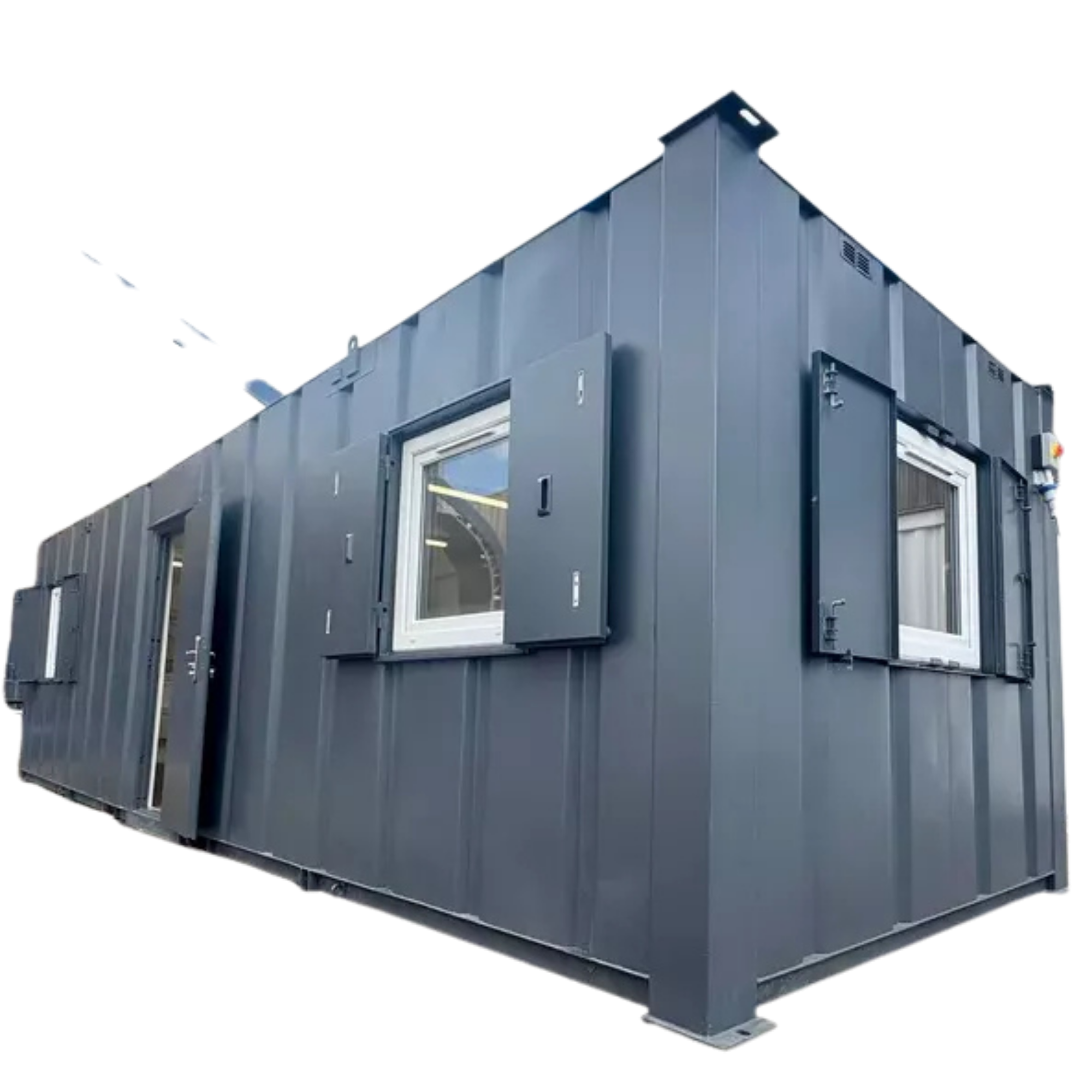
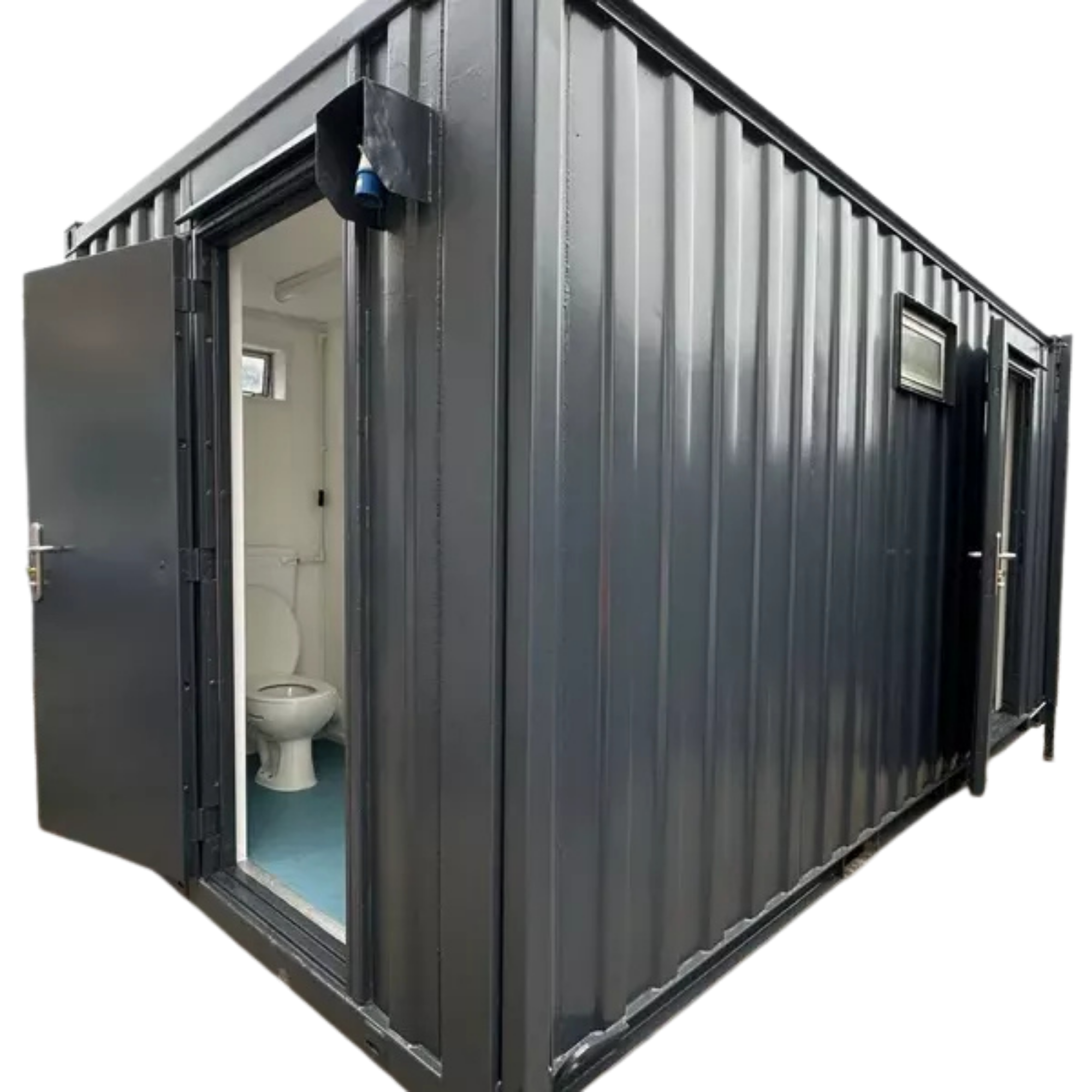
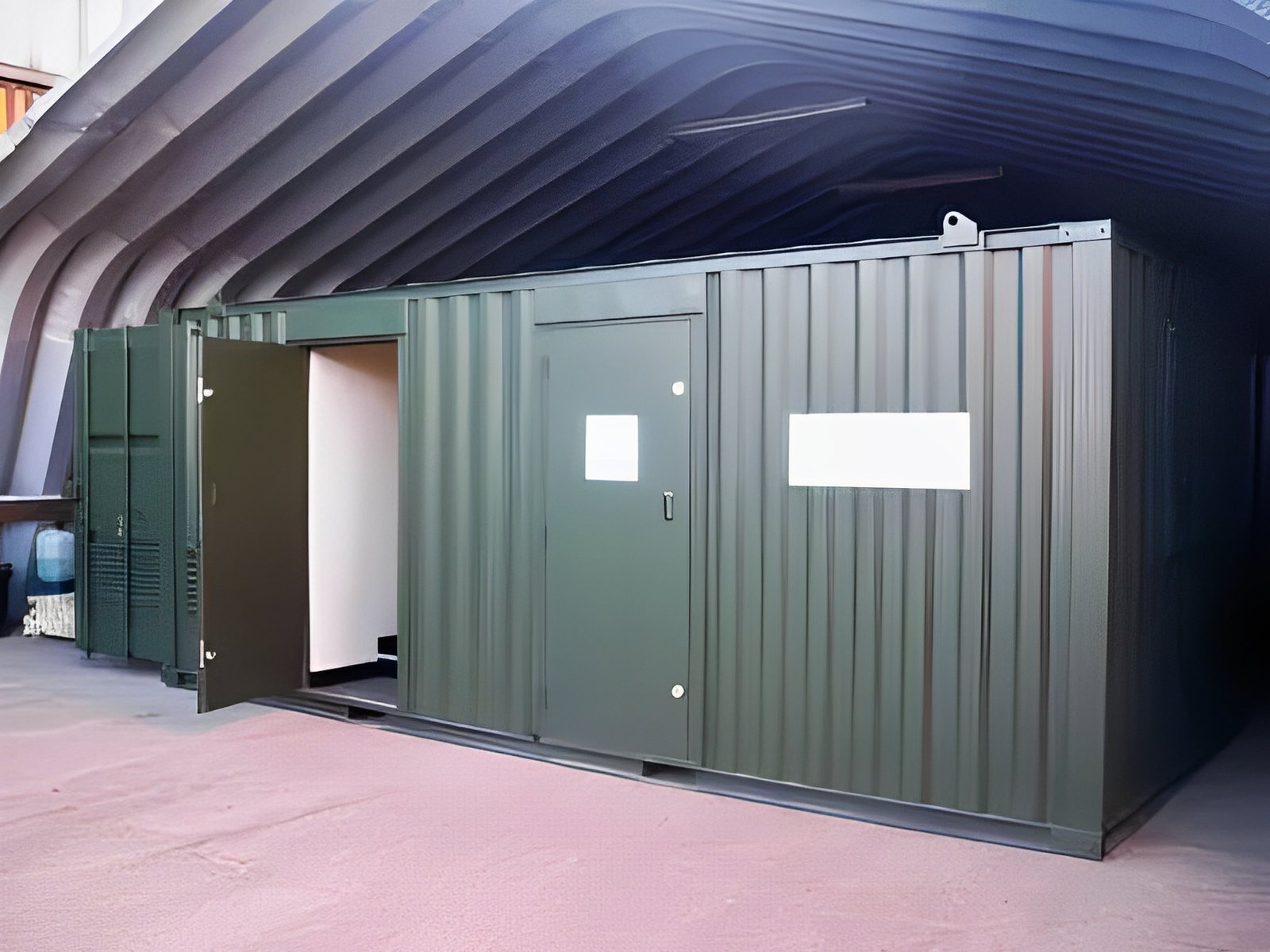
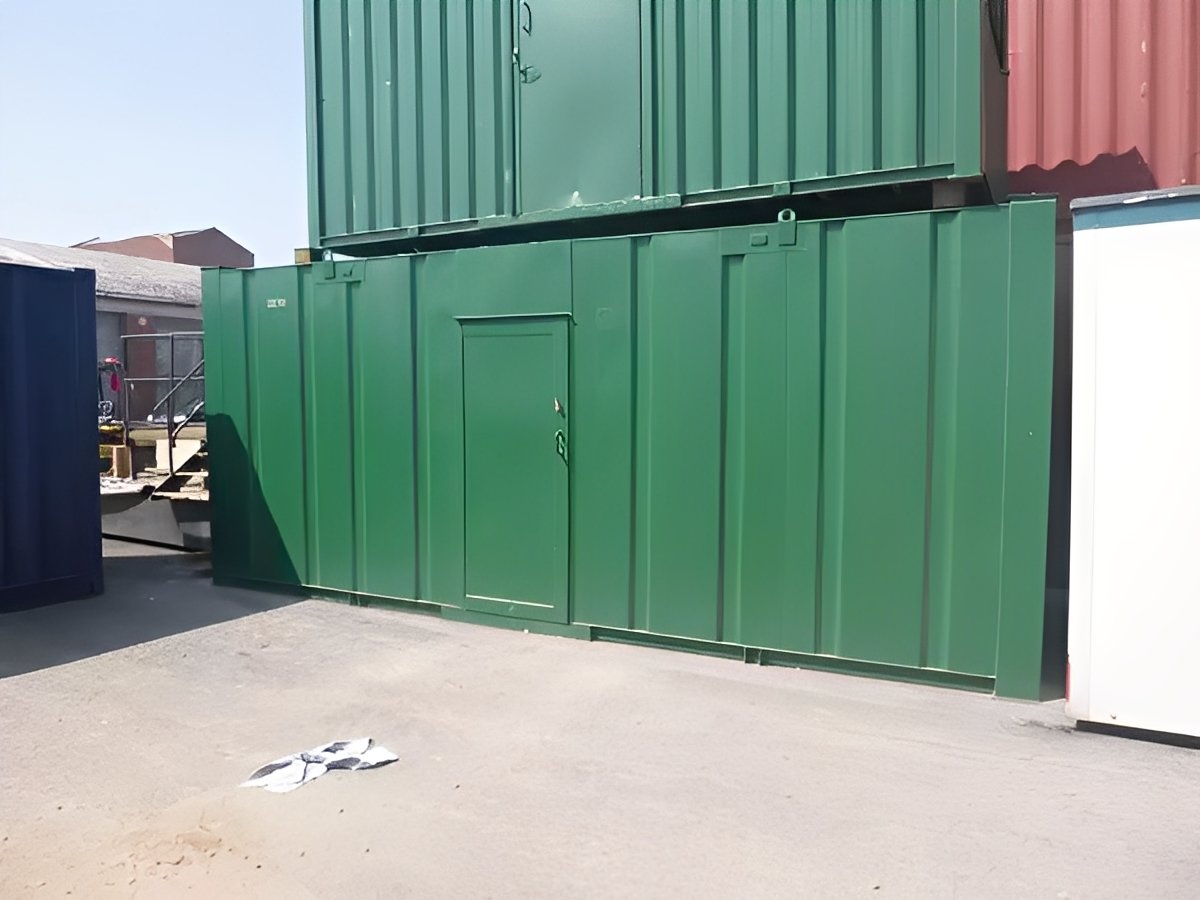
Yes. Modification and prefab conversion options are available depending on the project scope.
Available customization options may include:
- Doors and windows
- Ventilation systems
- Insulation
- Electrical preparation
- Interior partitioning
- Office and accommodation layouts
Custom and prefab projects typically require:
- Additional lead time
- Technical planning
- Revised pricing and logistics coordination
10. How long do shipping containers last?
Container lifespan depends on:
- Original condition classification
- Environmental exposure
- Frequency of relocation or use
- Ongoing maintenance practices
Under normal static storage use and with appropriate maintenance, containers can remain serviceable for many years.
Preventive maintenance may include:
- Managing surface corrosion
- Maintaining door seals
- Ensuring proper ventilation and drainage
11. What is your return and refund policy?
Return requests may be submitted within 30 days of delivery, subject to eligibility requirements.
Returns may be considered where:
- The delivered unit materially differs from the agreed specifications
- Structural or certification discrepancies are identified
Approved refunds are generally processed within 7–10 business days following verification and return confirmation.
Additional details are outlined in our Returns & Refund Policy.
12. Do you deliver nationwide?
Yes. L&P Container LLC coordinates deliveries throughout the United States using:
- Regional freight carriers
- Tilt-bed operators
- Specialized equipment providers
Delivery feasibility depends on:
- Location
- Site accessibility
- Equipment requirements
- Scheduling availability
13. Can containers be relocated after installation?
Yes, provided the container is moved using appropriate lifting and transport equipment.
Improper relocation methods may:
- Affect structural alignment
- Damage flooring or door systems
- Void applicable warranty coverage
We recommend using experienced transport or rigging operators for any future relocation.
14. Are containers weather-resistant?
Shipping containers are designed for outdoor and marine environments and are constructed from CORTEN anti-corrosive steel.
Wind & Watertight units are inspected to ensure:
- Functional door seals
- Enclosed steel structure
- Resistance to normal weather exposure
However, environmental conditions and maintenance practices may influence long-term performance over time.

Quote Request Information!
Use the form below to submit your enquiry. Provide as much detail as possible to receive accurate information.
